The Empty Space in a Tea Setting, the Breathing Room in the Leklai World — Why One Right Piece Outperforms Ten Wrong Ones
Share
The Aesthetic of a Tea Setting Centres on Empty Space
In both Japanese tea ceremony and Chinese tea culture, one aesthetic principle is shared:
"Leaving space" — the empty areas are the core of the beauty.
A beautiful tea setting doesn't display every lovely piece available. It selects a few carefully, then leaves sufficient space around each — letting each piece breathe, giving the eye somewhere to rest and reflect.
Overfilling the space makes everything invisible.
The Leklai World Holds the Same Wisdom
Seven years of observation across many different Leklai owners:
Some brought home one piece, built genuine connection, and that piece genuinely became part of their energy field.
Others brought home ten or twenty pieces, distributed them around the home — but never built real depth with any of them.
Which produced stronger results? Consistently: one deeply connected piece produces Leklai benefits far stronger, more sustained, and more genuinely felt than ten pieces with shallow connection.
Why "Less But Right" Is More Powerful in the Leklai World
Leklai benefits transmit through connection. The deeper the connection, the stronger and more directly felt the benefits. Divided across ten pieces, attention to each is shallow — what Leklai senses is divided attention, not full presence. When all your care is directed at one piece — what that piece senses is your complete energy, and its response is deepest.
The tea setting's empty space principle applies exactly here.
How to Find That "Right" Piece
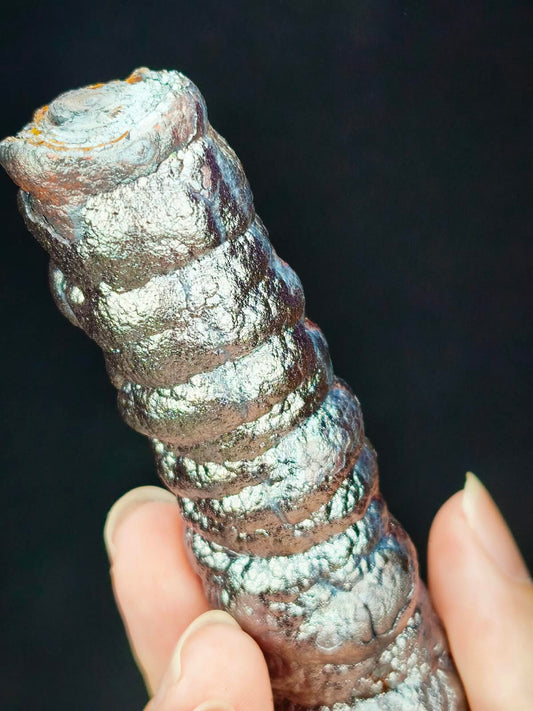
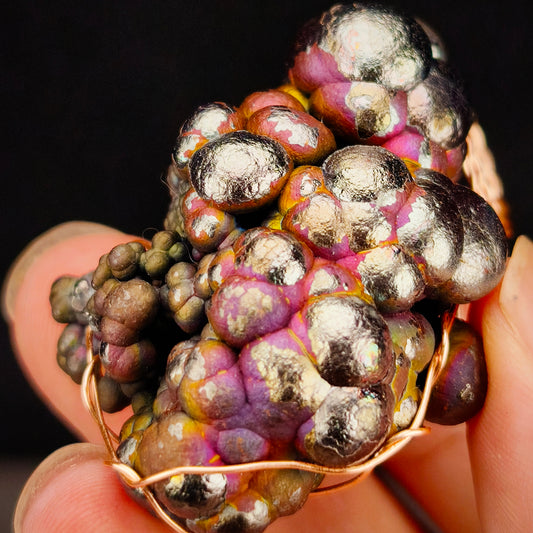
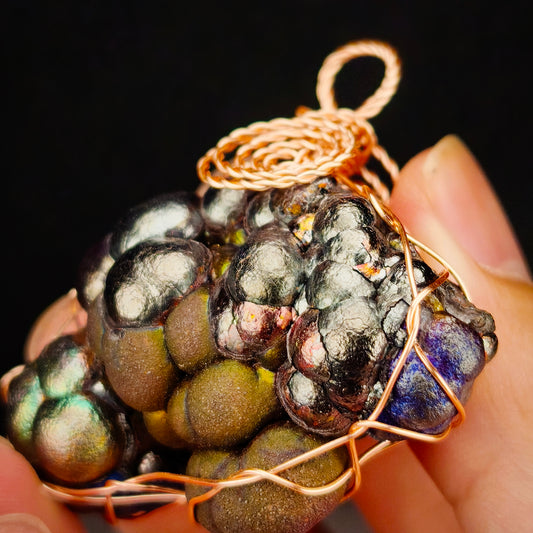
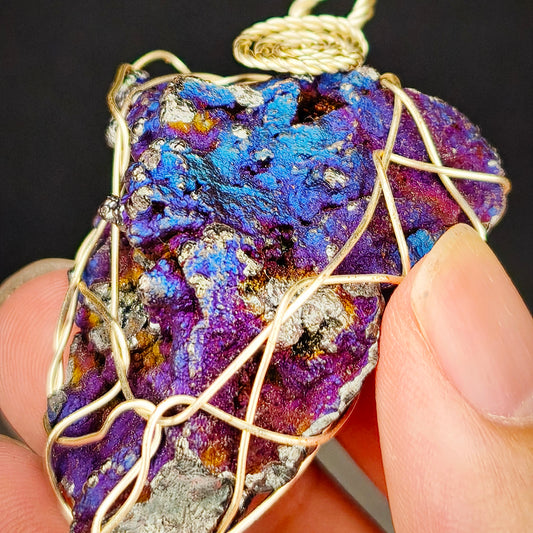
The piece in the tea setting that makes your eye stop — that's usually the right one. The Leklai piece you can't stop looking at, the one you don't want to put down once you pick it up — that is the one.
Leklai chooses people. People don't choose Leklai.
Your piece is waiting for you to find it.